fandoms and the decline of pop culture
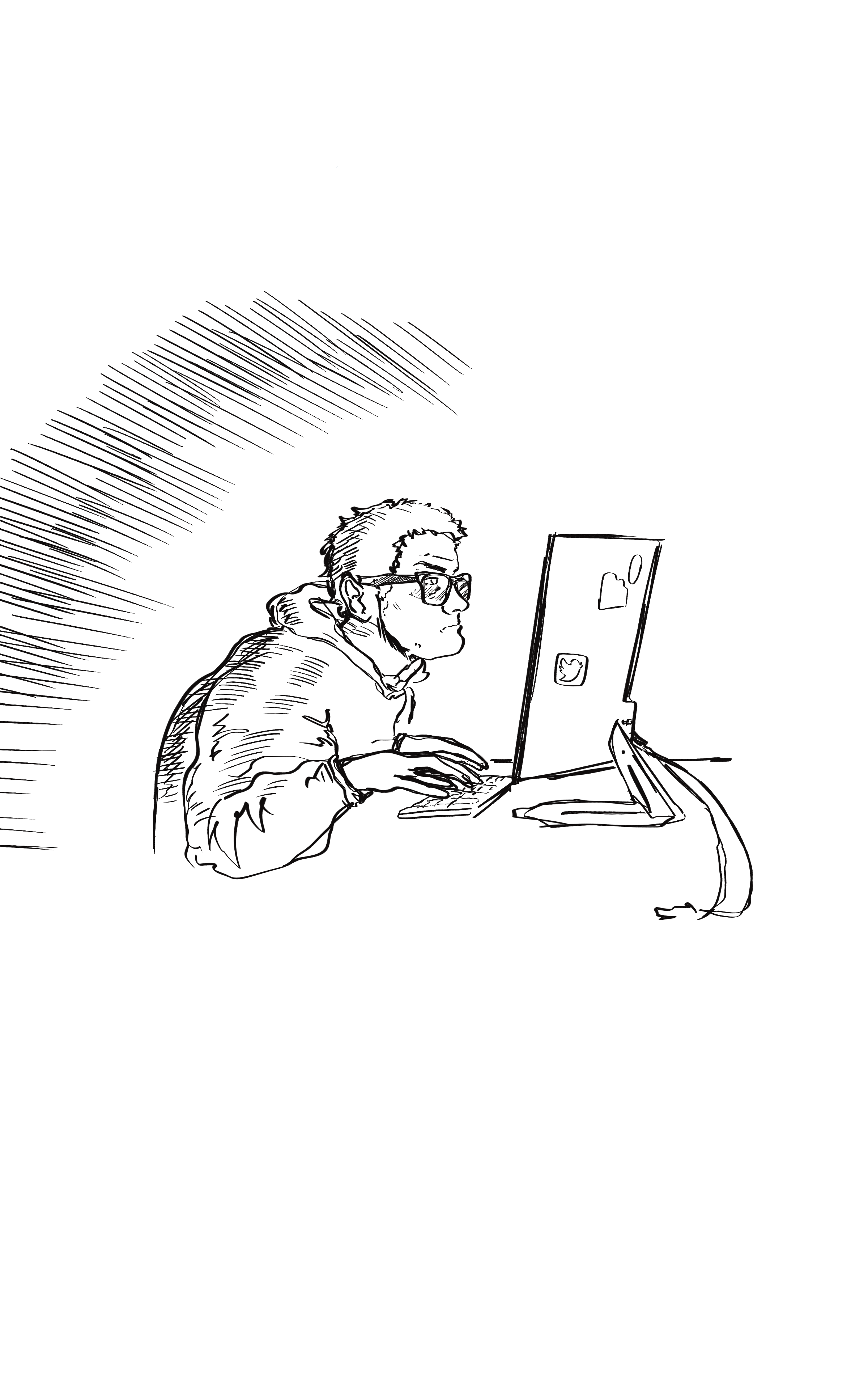
Art by Sara Polster
For as long as I have had access to an iPhone, I have been exposed to the integral internet pillars that are fandoms. Pop culture like music and TV act as a uniting force, creating communities of thousands participating in discourse, creating fanart, sharing information and overall forming social connections through a screen. The rapid growth of social media has only allowed this culture to spread; apps such as X, formerly Twitter, and Tiktok are populated by fans sharing opinions and criticisms of new content at instantaneous rates. These platforms have served to amplify people's voices, making entry into fandoms more accessible while simultaneously highlighting the toxicity that used to linger under the surface. Fandoms that I once viewed as a utopia of internet collaboration and a safe haven for personal expression have transformed into a cesspool of negativity, the very thing they were created to avoid.
Nowadays, fandom members seem to be competing against one another within these online spaces. This avenue of the internet had kickstarted an era of digital stalking, with fans entering a race as to who can uncover the most intimate information about their pop culture hyperfixation. They begin to form parasocial relationships, melding their identities with that of the content and become overly defensive of it as they see any critique against it as a critique on their own person. This dynamic has caused places established for discussion and debate to be diluted, with any peep of dissenting criticism being immediately shut down.
Users hiding behind pseudonym usernames to attack one another is bad enough in itself, but the assault on celebrities simply for being their authentic selves has spiraled into a much larger issue. For example, Ayo Edebiri and Hudson Williams both fell under fire due to their reviews on the social film discovery app, Letterboxd. The internet tore them apart based on their positive and negative takes on beloved movies, going as far as to make assumptions about their personal life and relationships. In this current climate, being genuine has become a serious career risk for public figures. Sharing their true opinions could sever ties between themselves and future job opportunities. Tina Fey warned Bowen Yang about this on the Las Culturistas Podcast. When Yang began to recite his criticisms of Emerald Fennel’s 2023 film, Saltburn, Fey immediately shut them down.
“I regret to inform you that you are too famous now, sir,” Fey said to Yang. “Authenticity is dangerous and expensive, I don’t think so honey.”
Social media during the 2000s and 2010s acted as a bridge between celebrities and fandoms. Tumblr asks, Reddit “ask me anythings” (AMAs) and Twitter “frequently ask questions” (FAQs), opened up these stars, further popularizing them by using relatability as a marketing tool. Not to mention how online posting used to be far more casual. Famous personalities would post random selfies or photos of their coffee, now posts are heavily curated along with internet personalities as a whole.
What is ironic about this decline in genuineness is that many fans, including myself, are far more interested in celebrities that seem authentically themselves, but the behavior of online users is forcing this once common trait into rarity. Without some level of originality, celebrity culture is extremely stale; strict PR training and censored public personas remove the drama, excitement and overall entertainment that these figures once had. In this current climate, being opinionated and simply human has become a serious career risk for musicians, actors and public figures overall.
Generally, I don’t think parasocialism will kill celebrity and pop culture as a whole, but I do think that it will continue to drastically water down conversations surrounding it. If fandom keeps going down this weird, obsessive path it is heading down, it will inevitably become further separated from the media it is idolizing and ultimately lose steam entirely. The future of pop culture is now being heavily defined by fandom and fandom behavior; these niche internet communities have spiraled into something almost disastrously impactful. If we want to protect the relationship between fans and media, I think it is necessary to try to unlearn some of this chronically online, dehumanizing behavior that has become so normalized and revert back to a time when fandom was not so supervised by the public.