
Fujinomiya and Santa Monica celebrate 50 years of friendship
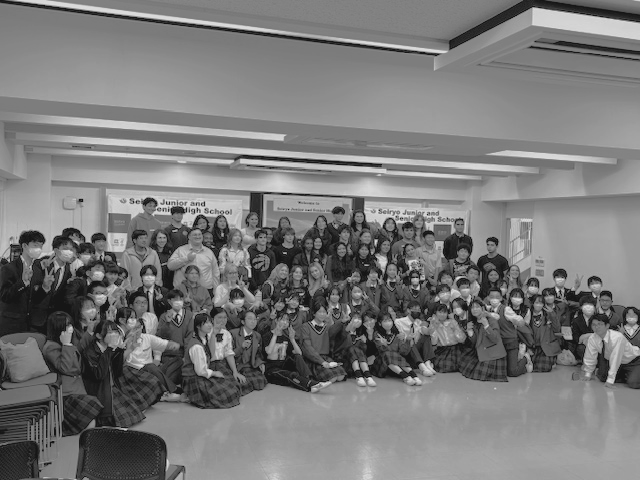
Cheryl Nesbitt / Contributor
Santa Monica High School students gather for a photo with Seiryo Junior and Senior High School students in Fujinomiya during the spring 2025 trip
On Oct. 23, Santa Monica–Malibu Unified School District (SMMUSD) and the city of Santa Monica welcomed the delegates from the city of Fujinomiya in Japan to Samo, commemorating 50 years of the sister city partnership between the two cities. Members of the SMMUSD school board, Santa Monica City Mayor Lana Negrete and a representative from the Santa Monica Sister City Association (SMSCA) were in attendance.
The partnership with Fujinomiya began in 1975 as Santa Monica sought to promote stronger international connections with cities in other countries. A central part of the pact is the SMSCA Student Ambassadors program sponsored by the city, where high school students from each city visit each other in the summer to learn about different cultures.
Jay Martinez (’27) participated in the exchange program last summer, and he expressed his appreciation for the experience.
“I think it promotes global friendships with these two countries, by offering a very unique opportunity for both sides to experience a whole other culture, let alone one across the globe,” Martinez said.
At Samo, the Japanese classes taught by Cheryl Nesbitt and Emily Kariya utilize the connection with Fujinomiya, giving their students penpals from the city. The goal of these penpals is to encourage students learning Japanese to increase their understanding of the language and to support international friendships.
“The students love [the penpal program] because they get to know the names and all the stuff about their homestay families before we leave, so they have had some interaction with them before we get to Japan, and they kind of feel like they already know them,” Nesbitt said.
Students in the Japanese class also have an opportunity to go on a school trip to Japan in the spring. During their stay, participants visit Fujinomiya for a brief homestay program, where they room with their Japanese family. They also participate in traditional Japanese tea ceremonies, wear traditional clothing and attend festivals with the local students, many of them penpals that they have communicated with over the year.
Nesbitt explained more about what they do during their stay in Fujinomiya.
“In the middle of our two-week trip to Japan, they meet and stay with [the homestay families] for two nights and three days, and it's just really special,” Nesbitt said. “They get to use their Japanese a lot, especially in the homestay situation, because most of those families do not speak English.”