
SoCal’s mountain regrowth post Los Angeles Wildfires
Audrey Stephansen / The Samohi
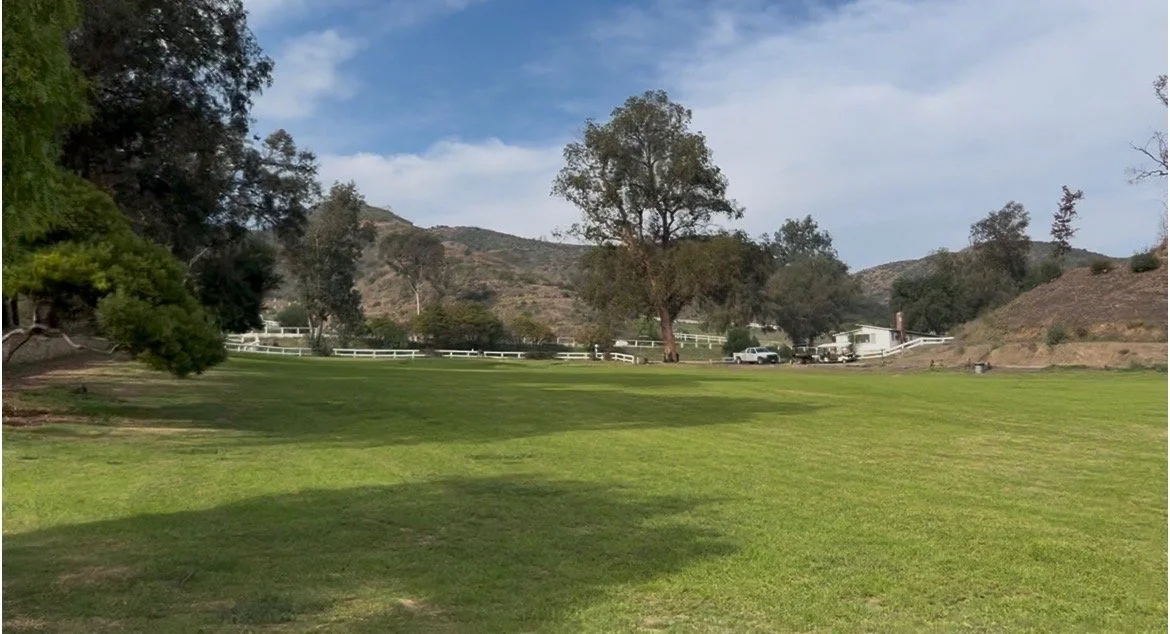
It has officially been one year since the Los Angeles wildfires devastated communities across the Los Angeles (LA) region. These fires, which started on Jan. 7 2025 were extremely destructive to nature, homes and livelihoods in its vicinity. This year, the Palisades communities and areas around LA have made immense progress rebuilding, and nature has strongly developed. Many of Southern California (SoCal)’s popular hikes had to be closed for a significant amount of time so that nature could organically rebuild without being disturbed.
Some of the familiar hikes that were closed have been recently reopened since the fires include Will Rogers State Historic Park, Los Leones Canyon Trail and Topanga State Park. The reopened trails show significant signs of renewed plant and wildlife activity; however, there are still environmental risks such as landslides, unstable trees and flash floods. On the bright side, many plants like the manzanita, oak trees and eucalyptus are finally beginning to come back to life.
The return of native plant species shows a restabilizing ecosystem after the fires, with regrowth serving as a positive sign for long term ecosystem health.
Arlo Lamm (’27), one of the presidents of the Backcountry Club at Samo, speaks on the reopened trail’s ecosystem recovery.
“Since the fires, many of the trails have closed but are starting to reopen. Many of the forested areas that had the California scrub oak no longer have those but many of the small plants have been growing and coming back well,” Lamm said. “The manzanitas are also coming back since those are one of our fire-resistant plants that need fire to terminate their seeds, and luckily the sycamores further down in the canyon survived.”
Tanner Guth (’27) is looking forward to hiking again with the renewed growth and tells us what changes he has seen in the trails since the fires.
“I go on a lot of hikes in the Santa Monica Mountains and it's super sad that the fires happened,” Guth said. “A lot of the vegetation was burnt, so the mountains have started to erode.”
There are many ways that people can contribute to help rebuild nature. For starters, students can join one of the clubs at Samo like the Fire Relief Club, Backcountry Club and other environmental clubs around campus. There are also opportunities outside of school to partake in by volunteering with organizations designed to help the matter hands on. Students can help by donating to organizations working hard to rebuild, or look at websites like L.A. Works and Pali Strong that show opportunities to help the rebuilding process.
As LA continues to reopen and ecosystems rebuild, Samo students are positioned to help protect landscapes that are integral parts of SoCal’s lifestyle.