
the reality of food insecurity around the holidays and how you can help
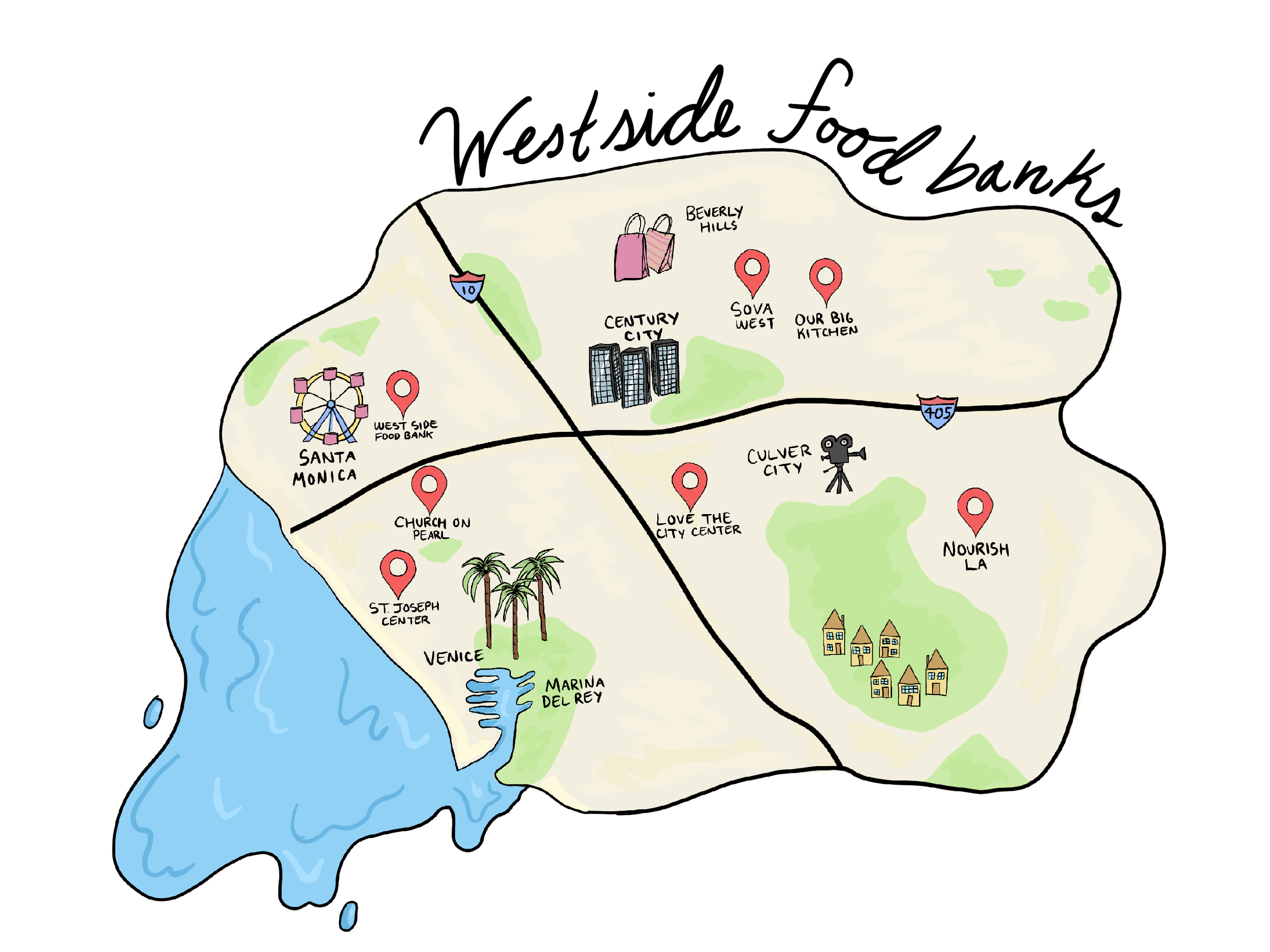
Art by Florence Frasier-Macduff
Across the United States, the holidays are a time for gathering, giving, and good food. For many, the best part of this celebratory season is congregating at a food-filled table with family and friends, to dine on warm macaroni and cheese, homemade latkes, savory tamales, or steaming noodle soup. Much of this shared joy has been made possible by Supplemental Nutrition Assistance Program (SNAP) Benefits, a program assisting Americans facing food insecurity. This winter, however, those relying on SNAP Benefits may not be capable of putting food on the table. According to the USDA, in Nov. the Trump Administration cut SNAP benefits back by 35 percent– a reduction to the earlier planned 50 percent cut. This harsh reduction stripped essential food from those who need it most, leading civilians to scramble for resources that have been needlessly taken away from them. Even though it has been amplified this year, lacking nutrition during winter festivities is not new. USDA states that almost 13.5 percent of Americans face food insecurity as of 2023: that’s about one in every seven people. Unbeknownst to many financially comfortable individuals across the nation, a significant portion doesn’t have food to eat for the winter holidays. Several students at Samo have deeply considered this hardship, and found ways to bring nourishment to those lacking food. Clara Marsippolito (’26), who runs the Hunger Awareness Club at Samo, outlines how someone can help. One method of contribution is the club’s packing program. “The packing program is important to join because it’s actually making the food,” Marsippolito says. This program within the club meets once a week, to package and make food, which will then be delivered to their food bank partner. The Hunger Awareness Club teams up with the Westside Food Bank, and helps direct civilians in their process of giving back. Marsippolito explains the numerous ways to contribute.“Volunteering your time and packing, or if you can’t, donate money when we have food drives,” Marsippolito describes. Even if you don’t have the time to participate in a hunger walk or a volunteering event, you can help the club buy food. On their Instagram page, @Hungerawareness_samohi, the club shares their Amazon Wish List link, a direct source that takes a person to a list of foods the club needs. Samo’s Hang Out Do Good (HODG) club is also working to make a difference. Club president Kaeli Horowitz (’27) describes all of the ways a student can pitch in by helping to make and package food. “Twice a month we have our lunch-making events. We meet on Tuesday, and the following Saturday we meet at my house to make lunches” Horowitz states. The club is part of the larger statewide HODG organization., The club makes the food, and brings it to a local drop-off location, where it will then be distributed across the city. Even if students can’t participate in lunchmaking but still want to contribute, they can bring surplus food from their very own kitchens to the club, who can then bring it to the HODG distribution center. “It’s very straightforward,” Horowitz says, “if people want to find more things to do, they can check out our Instagram.”The club posts all of the information about their events, and also spreads the word about other food resources across West LA. Their username is @HODG.Samohi. Without the warmth of food on the table, the holidays can feel bleak and depressing, which is why it is important for those with the means to give their time, money, or food to those in need. Through clubs at Samo or a local food bank, students can help bring people the meals they need for the holiday season.