
What happened to Claymation?
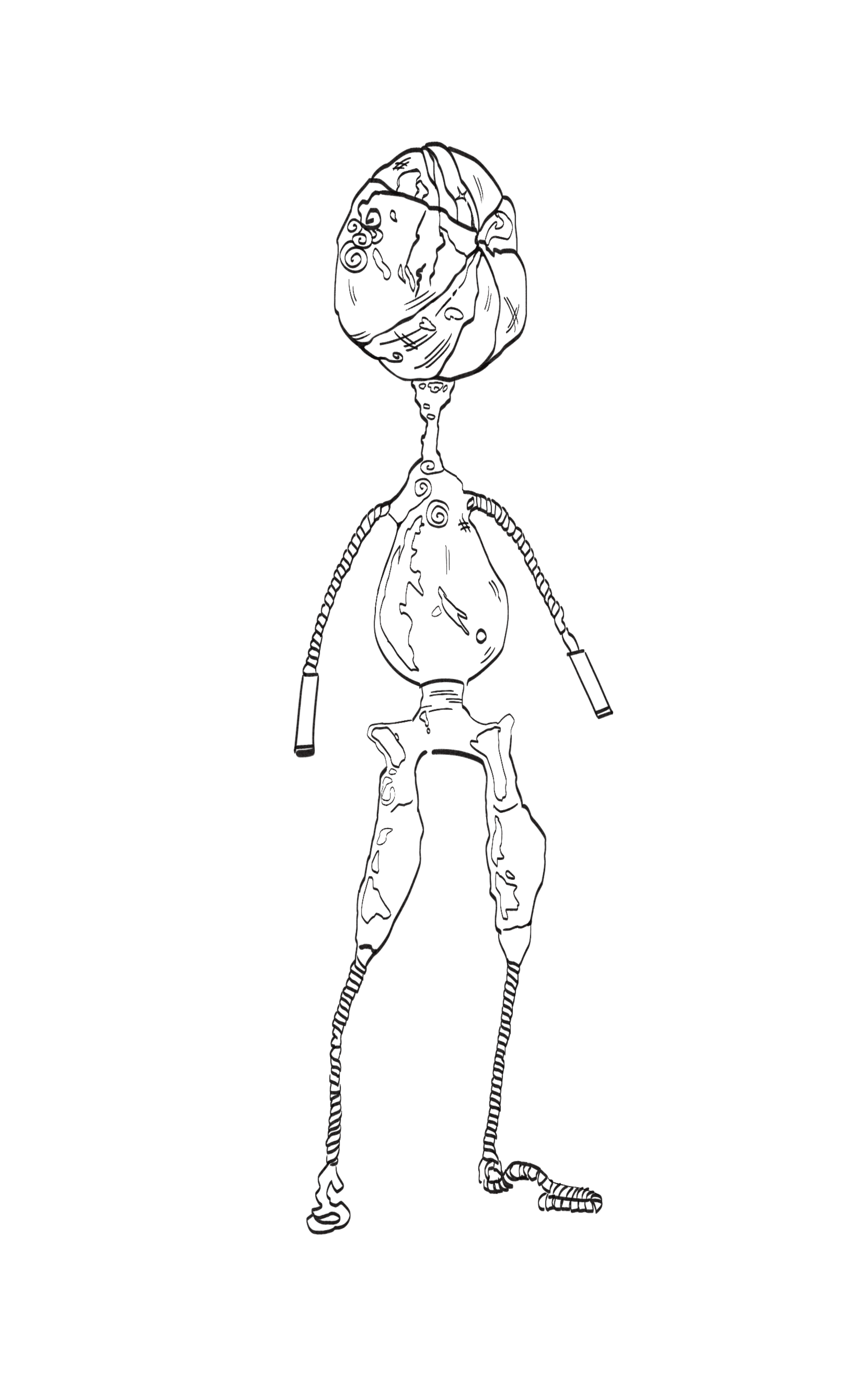
Art by Sara Polster
It has been too long since the last major claymation release. After multiple successes such as “Fantastic Mr. Fox”, “Isle of Dogs”, and “Shaun the Sheep”, not to mention the three top-grossing stop motion animated movies: “Chicken Run”, “Wallace and Gromit - The Curse of the Were-Rabbit”, and “Coraline”. Since these major releases, there haven’t been any new hits in the genre in recent years. Despite many films made with clay animation achieving success and the inherent ap- peal of a style so different from what is usually seen in animated films, clay animation has been noticeably absent from recent releases due to film studios’ preference for easier methods of filmmaking. Filmmakers are abandoning the art of clay animation in exchange for faster profits using technology such as Computer-Generated Imagery (CGI). By making this switch, they are sacrificing both creativity and integrity for money.
The art process of creating animated movies using clay figures and stop-motion photography first emerged in the late 19th century after the invention of plasticine clay, a type of modeling clay unique for its plasticity (stretch). Claymations’ first screen appearance was in the 1908 short film “A Sculptor’s Nightmare”, and by 1926, the first full-length claymation film was made, called “Long Live the Bull”. After these initial projects, claymation faded from screens until animator Will Vinton officially named the film style “claymation” in the 1970s. This caused a revival for claymation within the film industry as Aardman Animations created the well-known Wallace and Gromit characters, who have starred in multiple claymation films.
One of the biggest factors for the long periods between films is the amount of time claymation takes to produce, with full feature films taking anywhere from four to seven years. Oftentimes, hundreds of models will need to be created for each element, as each second of film is the result of at least twelve tiny adjustments to the clay figures. This could mean that a day’s worth of adjustments could culminate in only five seconds of footage. With this level of time-consumption and costly production, CGI is increasingly taking the place of claymation as it’s able to render simple scenes in a matter of minutes and longer high-end scenes in onlyhours.
With computer imagery becoming much more accessible and easy to use, claymation has been pushed to the back of the film industry, begging many concerns about studio’s prioritizing profit over authenticity. Claymation is yet another art that we are losing to fast-developing technology, and raises the question of what art will be takenover next. Technology is certainly a great achievement, but it is also affecting the originality and creativity of real art and is killing industries.
While it may be easier and faster to produce films using CGI, it takes away the joy and unique nature that makes up claymation. As a child, there is something fun about seeing a movie that reflects some grit and real-world imperfections. Claymation movies evoke such a feeling of connection and genuine feeling. Each claymation movie reflects the artists behind them’s creativity and love for the medium. Recent CGI films don’t have the level of care, dedication, and love poured into them as many of our favorite childhood films do, and it’s important that we recognize the decline of real creativity. Claymation was never supposed to be the smoothest form of film, but we still showed up to watch it, inspiring many to make home shorts and discover stop-motion animation. Claymation decline is another way we are losing some ingenuity and creativity in our lives and it’s becoming increasingly important to recognize that.