
California tightens plastic bag ban
On Aug. 30, 2024, Gov. Gavin Newsom signed Senate Bill 1053, a law that will ban all plastic bags at convenience and grocery stores starting Jan. 1, 2026. After years of failed attempts to mitigate plastic pollution, the new law closes the 2014 bag ban’s loophole to finally eliminate plastic bags in California.
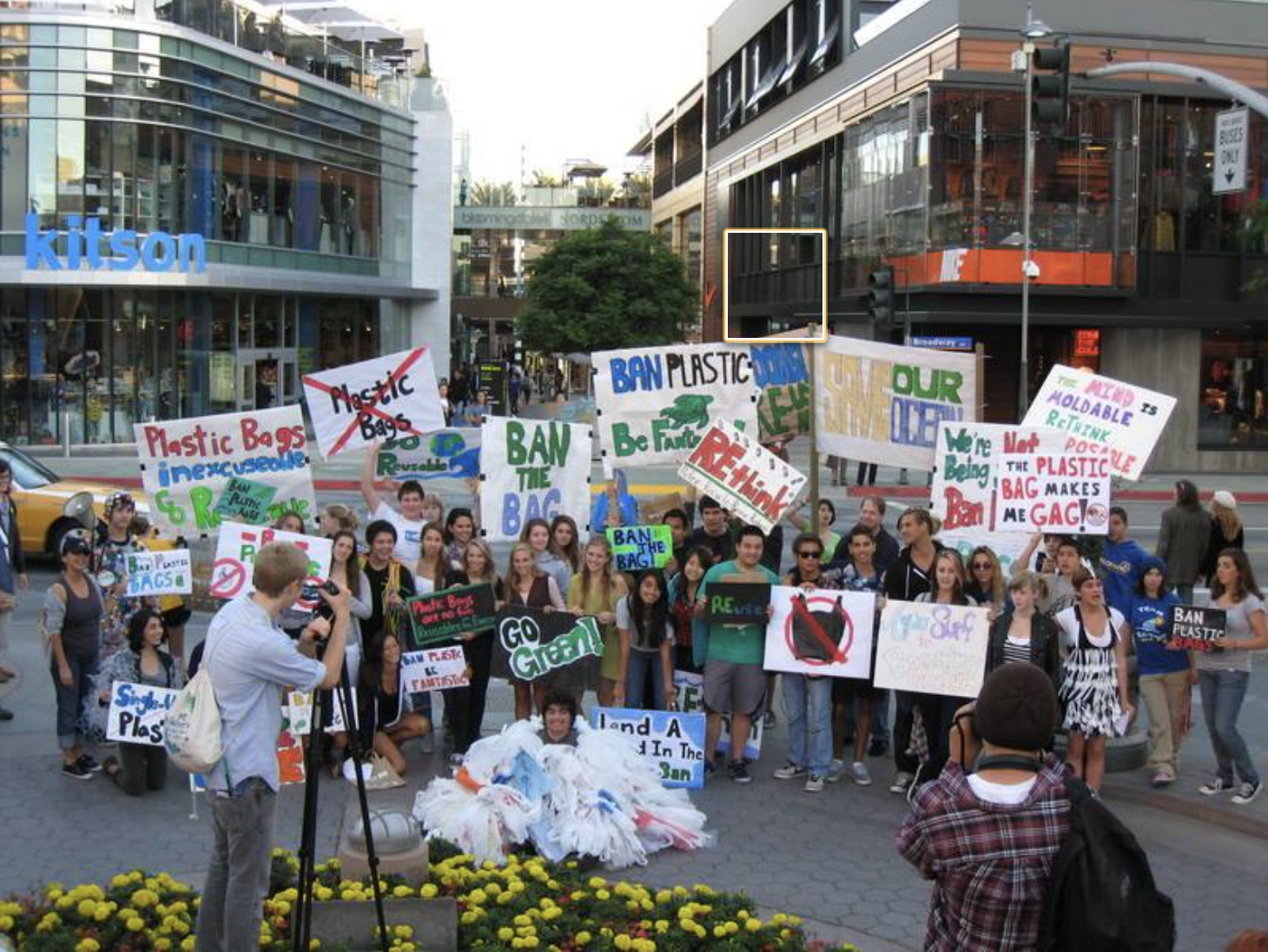
One of Samo’s environmental clubs, Team Marine, works to make a change in local pollution through education, activism, and community action. This student-led club in the past influenced the Santa Monica City Council to pass the plastic ban law in 2014, and they are currently taking data from grocery stores around Santa Monica to evaluate the success of this new plastic ban. Carla Sinecka (’26), co-leader of Team Marine expresses her eagerness to see how the new law coming in January will make a difference.
“I’m excited to see what kind of change it makes,” Sinecka said. “We are most certain it will be positive.”
While in 2014 California passed the first statewide plastic bag ban in the country, the bill had unintended consequences that further contributed to California's plastic waste problem. The bill in 2014 banned thin, single-use plastic bags at grocery stores, pharmacies, and some retail shops and allowed the stores to start selling thicker plastic bags, which were labeled as reusable. According to Oceana, an environmental group that collects stats on pollution, this not only doubled the overall plastic bag waste due to the increased weight of the thick bags, but also was extremely ineffective in helping control plastic pollution.
In their place, stores are encouraging shoppers to bring reusable bags or pay a minimum fee of 10 cents per paper bag at the checkout. Supporters of the new law view it as a significant step forward in protecting the country and our environment. However, the higher cost of alternative packaging materials is a partial concern, particularly for small businesses. Retailers found selling plastic bags after the ban takes effect will be fined up to $1000 to $5,000 for repeated offenses.
Over the years, the continued use of thicker plastic bags has taken a serious toll on the environment, especially seen locally. Benjamin Kay, a science teacher at Samo and advisor for Team Marine, has reported seeing numerous thick-film plastic bags in the storm drain on Pico, just blocks away from the Samo campus. Despite the existing ban on thin film bags, the thick film ones are becoming just as problematic.
“And there's thick film bags in the storm drain, just like there used to be thin film bags back in 2014. In other words, plastic is now getting debatably just as bad as the thin film ones, each of those thick film bags being several times the weight of a thin film bag,” Kay said.
As plastic pollution continues to affect our oceans, wildlife, and human health, the plastic bag ban coming in 2026 represents a strong attempt to reduce plastic waste in California. With help from Samo Team Marine, data collection and outreach will help track the success of the ban as well as spreading awareness about the harmful pollution. The next few years will show whether California’s new law can make a difference towards a clean and sustainable environment.
Eugene Naruse / The Samohi
Team Marine students protest to ban plastic bags in 2010.