
The failure of sexual empowerment
Art by Sara Polster
I am a set of body parts first, and a person second. This notion of objectification is masqueraded as empowerment in every corner of today’s media. Instagram influencers are selling their bodies to pay the bills, popstars are prancing around stage in hyper-revealing clothing and girls are abandoning their PhD to instead join the adult industry. Women should have the freedom to express their sexuality without being publicly scrutinized or slut-shamed. But where does empowerment end and objectification begin?
Society has always put pressure on women to present themselves as attractive, but when she is too sexually promiscuous, her reputation is ruined; in other words, a woman must be sexually desirable without being too ‘slutty’. Through this lens, the sexualization of women can be seen as agency and freedom; if feminism is about giving women the right to choose, then the decision to embrace one’s sexuality is inherently feminist. But this one-dimensional view on feminism fails to recognize that sexual agency must be self-serving. When a woman’s sexuality is curated to appeal to the male gaze, she is no longer in control. When playing Black Widow for the Marvel franchise, Scarlett Johansson openly admitted to her discomfort about the hypersexualization of the character. Her portrayal of the iconic character was tainted with the presence of the male gaze: lingering shots of her body, nonsensical sexual behavior and a provocative wardrobe. Despite being loved by Marvel fans for being a symbol of sexual empowerment, Johansson believed that the character was treated like a “piece of meat” throughout the franchise. Johansson’s rendition of the character is evidence to how inauthentic sexual agency is interchangeable with objectification: when autonomy is not rooted in a woman’s choice, her identity and well-being is forgotten.
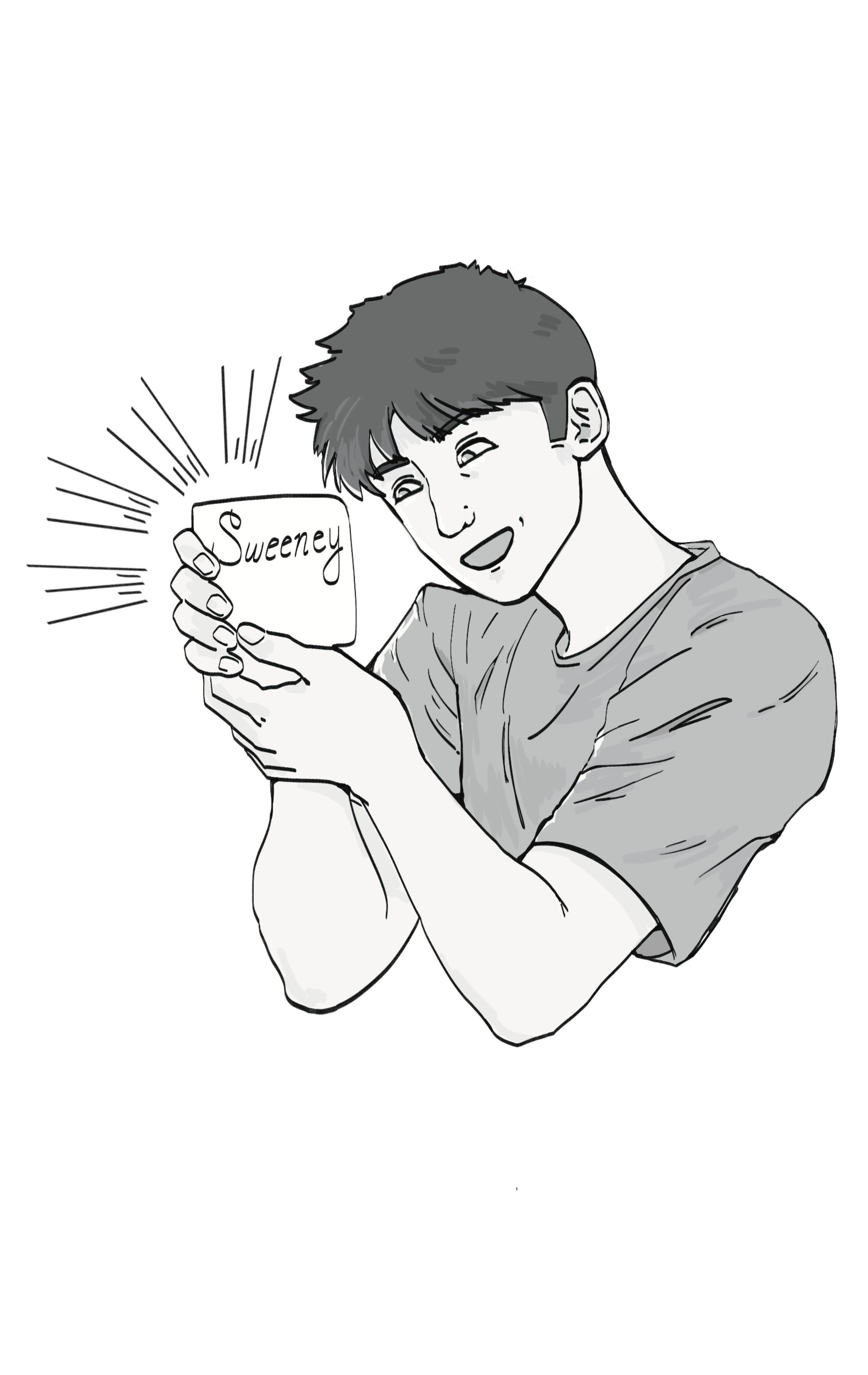
Time and time again, actresses and singers have tied their identity with desirability. Marilyn Monroe, Madonna and Brigitte Bardot have all been evidence to the idea that “sex sells.” More recently, Brittney Spears, Megan Fox and Sydney Sweeney have been exploited and commodified in order to reach stardom; whether this exploitation was done at the hands of their toxic industries or themselves is a matter of perspective. Regardless, there is always a group of people who will defend this type of persona and call it empowerment. The crowd’s main argument is that such celebrities are “taking the power away from men” and using the twisted desires of men to make money. But if your bills are being paid by these men, who’s really in control? American actress Sydney Sweeney was not doing anything out of the ordinary when she partnered with popular soap brand Dr. Squatch. But what was strange, and quite vulgar, was her decision to market the soap bars as being made with her bath water. Despite selling out, Sweeney’s bath water infused soap bars severely tarnished her reputation. The product’s intended audience of, according to Sweeney, “dirty little boys,” made clear to the public that she was willing to exploit her body for money and attention. Her product could’ve been framed as empowerment, but her lack of control in the situation made this impossible. With sexual appeal being the only marketable part of the product, Sweeney essentially commodified her body to boost the product's sales. Despite being paid substantially, the way she marketed the product shifted her audience strictly towards the male gaze and effectively framed her sexuality in a disgusting way.
Concerningly, this epidemic of self-objectification is not just limited to celebrities. The rise of OnlyFans and the destruction it has caused is enough to expose the flaws that this kind of “empowerment” has on common people. The app operates a digital subscription based business model, in which creators post content that is often sexually explicit for their subscribers. First gaining popularity in 2020, the app now has 400 million registered users and has boosted many content creators to stardom in mainstream media. One such creator, 23-year-old Camilla Araujo, revealed in 2025 that she had made over $11 million on OnlyFans. With 10.1 million followers on TikTok, Araujo shows off the luxury life she leads thanks to the app. Although there is nothing inherently wrong with posting about your success online, it is important to question how Araujo is influencing her audience. As most of her TikToks follow an effective short-form content formula–attention-grabbing and shocking–it can be inferred that her audience is largely made up of impressionable youth. Seeing that a “low-effort” job can give way to such a glamorous lifestyle, kids online can easily be influenced to sign up for the app when they come of age. But the reality of being a creator on OnlyFans is not as great as it seems online. Of course, the most obvious flaw of the app is the way it chips away at the mental health of its creators. Working in the stigmatized adult industry can alienate people and comes with a constant pressure to maintain a certain body image. With financial freedom being the only proof of the job being empowering, the argument crumbles with one deep look into how the app is used. Creators are certainly making money off of men’s desires, but that flow of money can be cut off with the click of a button. With standards for explicit content constantly rising, creators who are understandably not willing to push boundaries are less likely to reach financial success through the app. Instead of getting the glamorous lifestyle that's promoted on social media, many creators end up with a serious mental burden without reaping the app’s financial benefits.
Sexual desirability certainly doesn’t automatically make a woman a subject of objectification. But much of society seems to have lost what it means to be sexually empowered. Physical appearance is just one part of a woman’s identity and the importance of those other qualities can be lost when expression turns into exploitation. The difference between sexual empowerment and objectification can be easily defined by one thing: the person who holds the power.