
Our unwarranted disrespect of subs
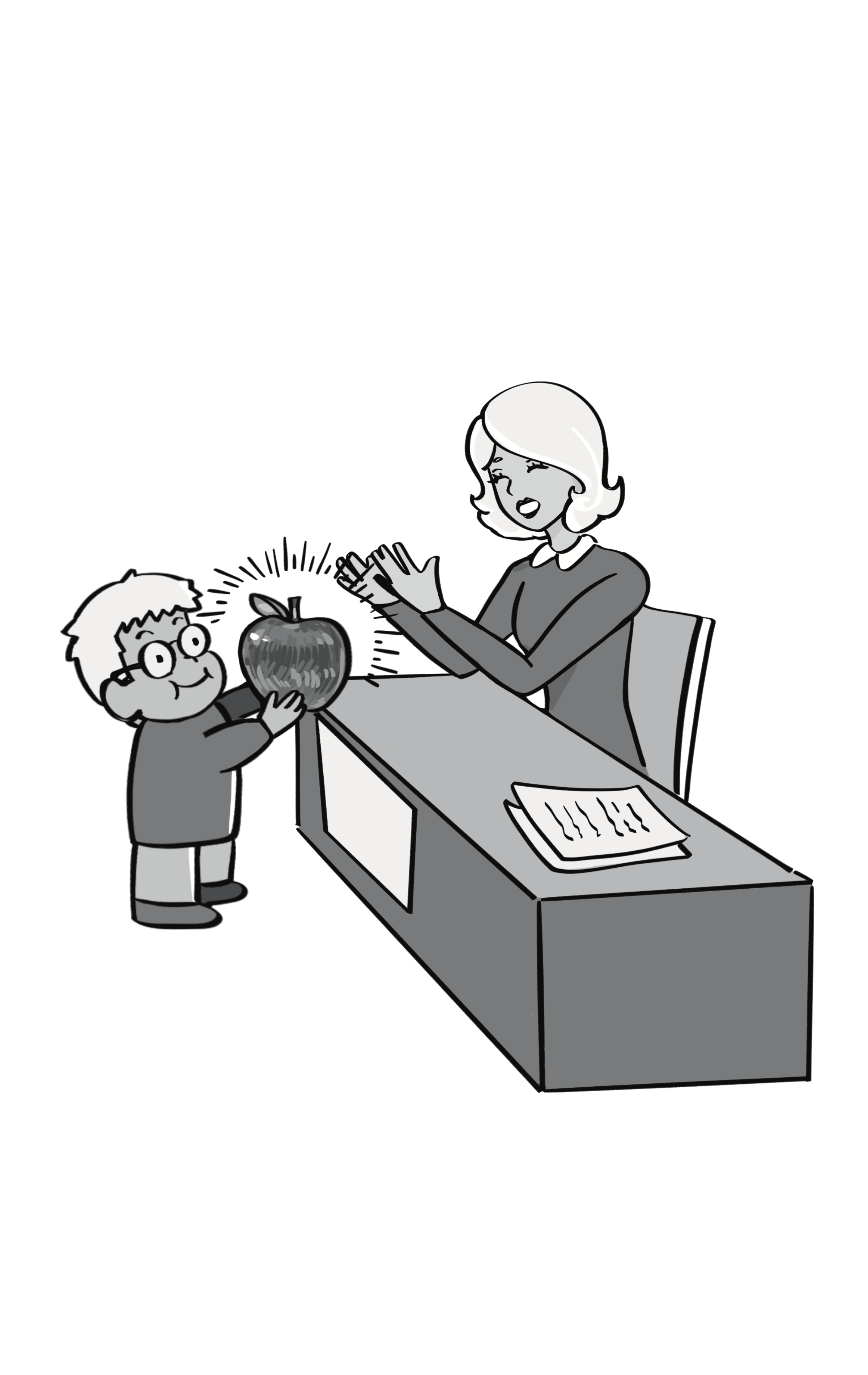
Art by Sara Polster
When the teacher is out, how can a classroom function? Whether it be for jury duty or maternity leave, it is inevitable that a teacher will have to leave. In their place, a substitute teacher fills in to keep the classroom in order and continue students in their curriculum, no matter the subject or where they are in their learning. The status quo in times like this boils down to how students can best out-maneuver the sub to maximize avoidance of school work. While this standard does not come from a malicious place on the student’s end, subs typically experience large amounts of disrespect as students frequently seek to take advantage of their unfamiliarity with the class. Substitute teachers are an invaluable support system to our school, so it’s essential that we remember, even when fighting against our work, to keep up respect towards substitutes.
Despite their efforts in bridging gaps in classes when a teacher is away, substitutes are continually treated with disrespect by students. Whether the absence of a teacher causes students to goof off, or the lack of instruction makes them mad, substitute teachers must manage these especially unruly classes in addition to building on existing learning.
In order to accomplish this, substitute teachers must constantly be adapting to properly help students with their learning while keeping them in order. One substitute, Martha Contreras, discussed how she prefers to manage such classes.
“[I] try to work with kids that weren’t turning in their work and figuring out, why? Was it the assignment? Was it anything else when they’re falling asleep in class? I’ll ask them even now, when kids are falling asleep in class, do you need to go to the nurse and rest? Were you working last night?” Contreras said.
Her approach with trying to understand a student, Contreras claimed, helps her develop a relationship with students that goes beyond a one-day lesson and carries over years. She believes that kindness on a substitute’s part can aid students despite the temporary nature. Contreras shared various stories of students asking her for help years later and confiding that they felt comfortable asking her for help despite limited interactions. Similarly, when Contreras felt that she was being disrespected as a substitute, she continued to have a positive outlook and to have empathy in regards to where students were coming from.
“I don’t call security [on kids], because… many kids will have experiences with security. People go right away, ‘I’m gonna call security on you.’ Why are you threatening kids?” Contreras continued.
So, where does this disrespect towards substitutes come from? It seems that even when a substitute like Contreras leads with kindness towards her temporary classrooms, they still face disrespect on a daily basis.
Another teacher with experience in subbing, Kereth Curliss, weighs in on this topic. Curliss was one of the many teachers who worked to fill the gap of a former Samo teacher, Ingo Gaida, after his abrupt removal from the school last semester. Curliss previously worked as a substitute teacher in various schools in Arizona. When talking about why the day-to-day subs receive so much disrespect, Curliss explained her perspective.
“The students are used to their regular teacher, they have that relationship with them and there’s a lot more trust... When you go in there as a single day sub, you’re a stranger and it’s hard to trust a stranger to tell you what to do,” Curliss remarked.
Without that underlying connection, Curliss believes it is difficult to build up a relationship with students as a substitute in such a short time, which leads to this disrespect. Even when subs like Contreras or Curliss do their best to build up relationships that go above one day of teaching, it can be hard for students to trust subs with their education.
As a school, we have to remember what substitutes go through: a constant changing of class routines and curricu- lums from hour to hour, period to period. It’s important that we treat subs with the same respect as a teacher and work past our initial judgments to help them in their teaching. Without the support substitutes offer and the variety of issues they must handle, classrooms would be unable to function properly in the event a teacher has to take leave. Reflecting on these constant changes a sub must adapt to, Curliss summed up her opinions.
“I would say that each school has its own unique culture... and each classroom has its own culture. Each teacher runs their class differently, so when you were subbing, you were trying to stay, hopefully, true to what the original teacher built their classroom like,” Curliss said.