
Our boredom deficit is rotting original personas
Andrea Hanks / Independent
With the current fast-paced exchange of information we’ve come to know and love, so readily has the importance of crit-ical thinking and forming personal opinions been thrown out the window. The current boredom deficiency crisis can be, in part, attributed to how much of our lives has been consumed by media and constant entertainment, leading to the disappearance of originality and personal aspects. When you see an Instagram reel or TikTok, what’s the first thing you do after watching for a few seconds? I’m going to make the assumption that your next step would be to open the comment section. Instead of taking the time to sit with what was just said, people scroll through the comments to pick a six word opinion that resonates with them. This destroys how human opinions are created and unique personalities are formed. People start to borrow personas and regurgitate opinions from figures on social media, this is where the problem starts.
Case in point, we can see this through history content learned by means of social media. While scrolling I’ve seen countless videos of people trying to explain extremely layered and detailed topics that simply cannot be fully understood within the span of a 30 second clip. One interaction with this post results in the algorithm fully filtering content and information to only show that extremely polar perspective. Engaging with this content can provide people with the strong, blatant language needed to give the impression that they know what they’re talking about (even if that may not be the case). While you can engage with enough of this content to gain a superficial understanding, conclusively, solely relying on your tailored algorithm form a history lesson is insufficient. Nothing can compare to picking up the history books or reading from reliable sources.
Some may argue that there have never been true, innovative opinions. While this isn’t untrue, how was information exchanged before the existence of social media? Through real conversations, with real people. In the formative years of life, your ideas and opinions were shaped by your parents. As you get older, every interaction or conversation molds who you are and how you view the world. The occupancy of social media substituted these human connections for cursory education.
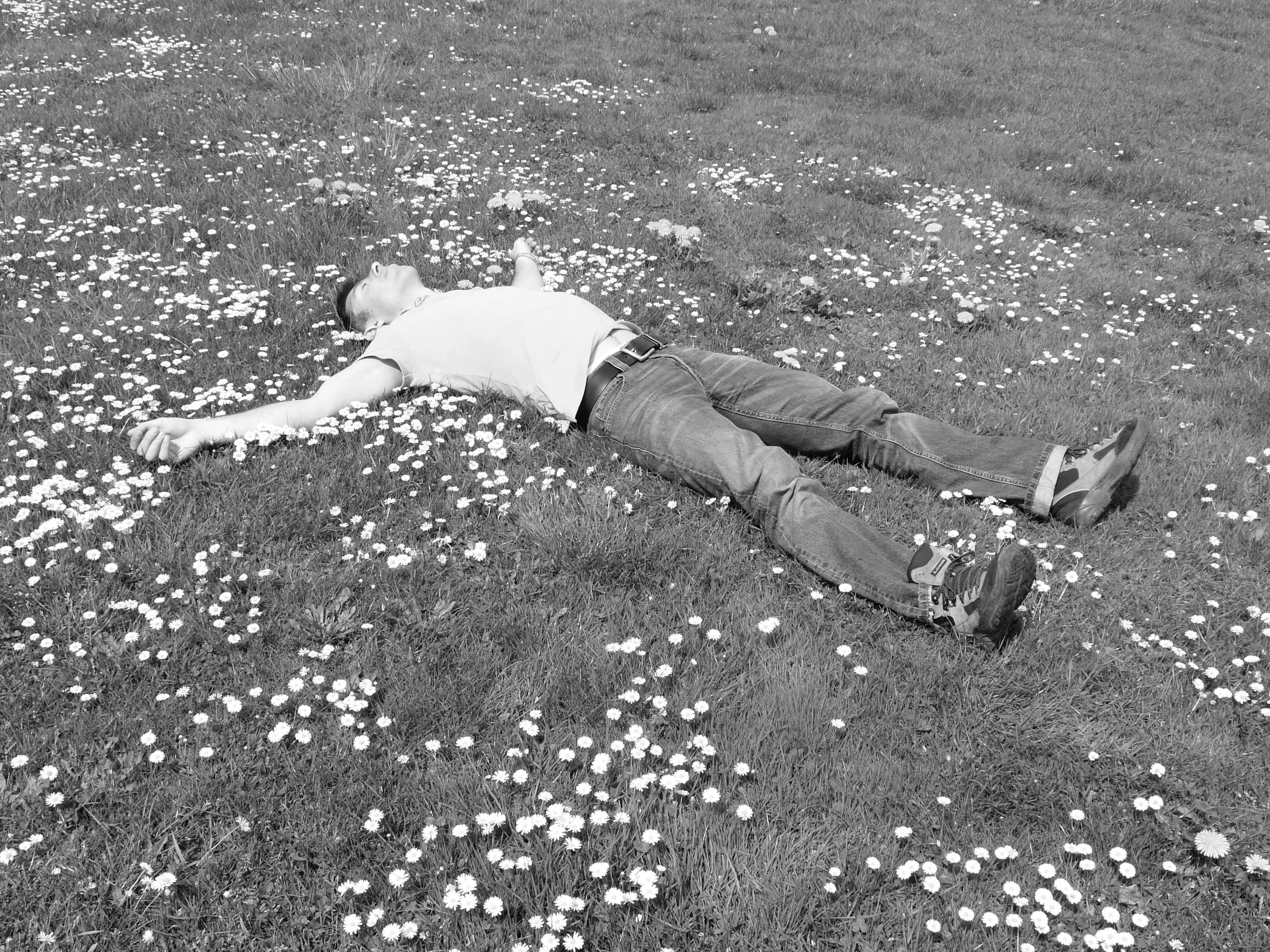
This hyperpresence of social media has fostered my nostalgia for when everything was simpler. In the era before I owned a phone naturally I went through phases of boredom, especially in the summer. As an 11 year old you can only bathe in the summer sun, play mermaids or jump over the foamy waves at the beach for so many days before it becomes unbearably monotonous and this is where personality is developed. What do we do in those times of boredom? We reach for our phones, we consume overstimulating media and ingest futile content. At 11 there was nothing else for me to do and as a result, I would embrace the boredom, day dreaming about how I expected my life to look five, ten, 15 years from now. These days, most kids get an iPad or phone by fourth grade, cultivating an environment with a lack of boredom. This absence of boredom has resulted in our brains constantly needing to be entertained and can be seen in the existence of “iPad kids”, which by definition are Gen -Alpha kids that grew up on screens. This fixed demand for amusement translates to teens and adults as well. Where self-care and unwinding used to look like a night in, a bath or a nap, is now superseded with “scroll breaks”, which only furthers this boredom deficiency crisis.
A recent study from the Harvard Business Review found that when a person experiences boredom, their brain enters something called “default mode”, which is where the brain begins to think about big, existential questions that may be uncomfortable. This is where the majority will fold, they don’t want to be in that uncomfortable situation, especially when it can be so swiftly solved by the glowing rectangle in their pocket.
In a recent interview from the 2026 Winter Olympics, Eileen Gu, an Olympic freeskier, talked on how spending time in her own head has helped her understand herself better.
“I’m an introspective young woman. I spend a lot of time in my head and it’s not a bad place to be. I journal a lot, I break down all of my thought processes,” Gu said. “I think I apply a very analytical lens to my own thinking and I kind of modify it. It’s so interesting, you can control what you think. You can control how you think and therefore you can control who you are.”
This issue of boredom deficiency we’re currently encountering has become so apparent that people can’t even wait 15 seconds for the light to change without picking up their phone to keep them entertained. The next time you find yourself mindlessly absorbing pointless media while doing a task that has no demand for sound, turn off the noise. Let your mind wander and enter the reflective, fruitful state of boredom that develops individuality.
